Managing an Office Move: An Assistant’s Guide
Managing an office move is no small task. It’s a complex project that involves coordination, communication, and a lot of planning to ensure that the transition is as smooth as possible. For support role professionals, this responsibility often falls on your shoulders, making your role critical to the process. Whether your organization is relocating across town or moving into a newly renovated space, here’s a comprehensive guide to help you navigate the intricacies of managing an office move successfully.
Renovations and Fit-Outs:
Before you can move in furniture and equipment, fully prepare the new office space. Renovations and infrastructure installations are essential, as they create the foundation upon which everything else depends. When managing an office move, it’s crucial to schedule these tasks well in advance to avoid delays that could disrupt your timeline.
- Schedule and start necessary renovations – Begin any major construction or design updates as early as possible. Whether knocking down walls, upgrading conference rooms, or adding office spaces, these updates often take longer than expected, so plan accordingly.
- Install infrastructure systems – Managing an office move also means ensuring the space is functional. Complete the installation of cabling, lighting, and HVAC systems early in the renovation process to ensure your office is operational when the team arrives.
- Complete finishing touches – A key step in managing an office move is ensuring the new office feels complete. Tasks like painting, carpeting, and installing fixtures may seem minor, but they significantly impact the environment and productivity.
Furniture and Equipment Orders: Planning for Efficiency and Comfort
Once your office is physically prepared, ensure it’s well-equipped for your team to function effectively. Plan and order furniture, IT equipment, and office supplies in advance. This stage of managing an office move is crucial to avoid last-minute scrambling.
- Finalize furniture selection and place orders – Choose furniture that aligns with your office’s layout and design. Prioritize ergonomic chairs, durable desks, and functional storage solutions. Place orders early, as furniture deliveries often face delays.
- Order IT equipment and office supplies – No office can function without the right tools, including computers, servers, and phones. Managing an office move means anticipating the equipment your team will need to hit the ground running.
Utility Setup and IT Infrastructure:
Technology and utilities are the backbone of any modern office, and making sure these are installed and tested is a critical part of managing an office move. Many of these services require considerable lead time, so they should be addressed as early as possible.
- Arrange utility setup – Coordinate early with utility providers to schedule electricity, water, and internet setup for your move-in date.
- Install and test IT infrastructure – Ensure all IT systems, including servers, networking, and telephones, are fully operational. Testing these systems before move-in day is critical to avoid disruptions when your team settles in.
- Factor in lead times – Internet setup can take time, depending on the provider and building infrastructure. Managing an office move means accounting for these lead times to avoid costly delays and lost productivity.
Staff Communication and Involvement:
A successful office move relies on both logistics and clear communication with the team. Managing an office move means keeping everyone informed, addressing concerns, and ensuring employees know what to expect.
- Communicate the move plan – Send out a clear and detailed plan to all employees. Managing an office move is a team effort, and your staff will appreciate knowing the timeline, key dates, and what they need to do to prepare.
- Host staff meetings – Employees will have questions, so holding regular pre-move meetings ensures transparency and addresses concerns, making the process smoother for all.
- Assign packing responsibilities – Minimize confusion by assigning packing duties and providing necessary materials. Pack non-essential items, like old documents or decor, first, and save essential work items for closer to moving day.
Packing and Preparation:
Packing may seem like one of the simpler steps, but when managing an office move, proper organization during this phase is key to avoiding chaos during unpacking. Smart packing will also make it easier to get the new office up and running quickly.
- Pack non-essential items first – Start packing non-essential items well in advance. Archiving old files, packing away excess office supplies, and disassembling unused equipment are good places to start.
- Label boxes and equipment – Labeling is key when managing an office move. Clearly mark each box and item with its contents and destination to ensure a smooth, efficient unpacking.

Moving Day Coordination:
The day of the move is arguably the most stressful part of managing an office move, but with the right planning, it can go off without a hitch. Coordination is key, and this is where your role as a support professional shines.
- Hire professional movers – Managing an office move means working with reliable, experienced movers who can handle the heavy lifting. Book them early, especially if your move falls during a busy season.
- Supervise the process – On moving day, your job isn’t just overseeing packing and transport—you’ll need to ensure everything is handled carefully and movers have clear instructions. A detailed checklist is essential for this stage of managing an office move.
- Set up workstations immediately – Once items are transported, setting up workstations and common areas should be your priority. This allows employees to get back to work quickly without significant downtime.
Post-Move Setup:
After you complete the move, there’s still work to be done to make sure your office is fully operational. The post-move setup phase is where all your planning pays off, and it’s a key part of managing an office move successfully.
- Unpack and organize – Begin unpacking immediately, starting with essential items. Office equipment, computers, and key supplies should be set up first to allow your team to return to work.
- Test IT and communication systems – Managing an office move means ensuring that all IT and telecommunication systems work as they should. Conduct a full systems test to troubleshoot issues before the team begins normal operations.
- Conduct a walkthrough – Walking through the office space to confirm that everything is in place and operational and addressing any immediate concerns is the final step.
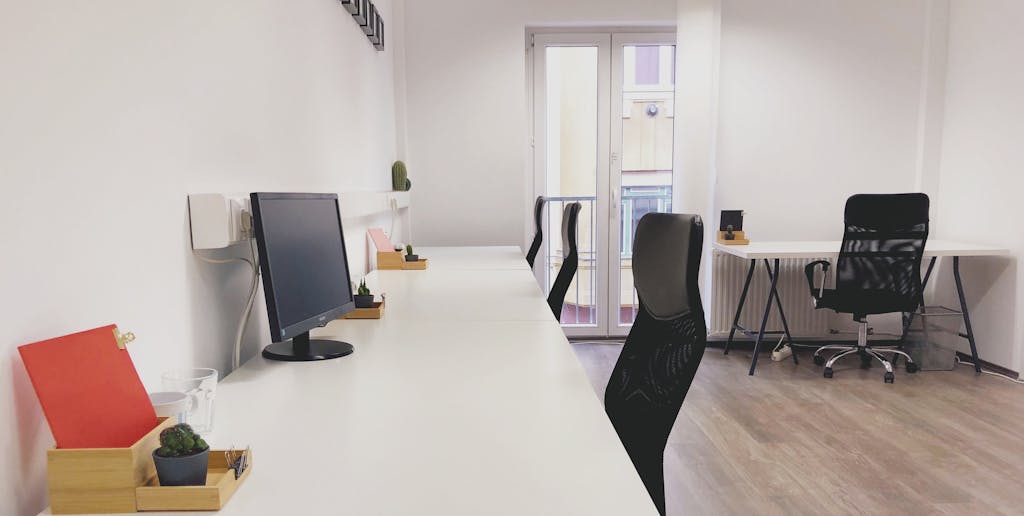
Final Touches and Settling In:
With the heavy lifting done, focus on adding finishing touches that help employees feel at home. These final steps in managing an office move are just as important as the first to ensure everyone feels comfortable and productive in the new space.
- Wrap up any remaining tasks – Hanging artwork, setting up the break room, or organizing storage spaces may seem like small details. Still, they contribute to the overall comfort and functionality of the office.
- Distribute welcome kits – A great way to ease the transition is to provide welcome kits for employees. These can include information about the new office, passwords, building contacts, location lists, or small gifts to celebrate the move.
- Gather feedback from staff – After everyone has settled in, gathering feedback is also an important part of managing an office move. This helps you address any lingering issues and make adjustments where necessary, creating a smooth long-term transition.
Successfully Managing an Office Move
Managing an office move is a complex project that requires organization, foresight, and excellent communication skills. By following these steps, you’ll make the entire process—from renovations and packing to setting up the new space—as seamless as possible. With proper planning and attention to detail, you’ll create a smooth transition for your team and help set the stage for success in your new office!